- Needs To Exist
- Posts
- Idea Of The Day - Stop Doomscrolling Gaming History. Make the Coffee Table Book Instead.
Idea Of The Day - Stop Doomscrolling Gaming History. Make the Coffee Table Book Instead.

Needs To Exist
February 05, 2026
In partnership with

GM. This is Needs to Exist (aka NTE), delivering you a startup idea that treats gaming history like culture, not content.
6,500+ ideas smart people won’t give you - NTE Pro has them.
WhoFiled shows you which startups matter before everyone else notices.
Check out all the past newsletters here
Here’s what we’ve got for you today.
Daily Idea - Gaming As Art
Preserve Gaming Culture

Gaming History, Treated Like Art

The One Liner
Gaming history, preserved like art.
The 140 character tweet (or X) version
Gaming history deserves museum-grade print. One console. One book. Deep interviews, archival art, limited runs. This is preservation, not nostalgia.
The Longer Story Version
The Problem
Gaming history got flattened by the internet.
Legendary consoles and iconic games are scattered across forums, half-remembered YouTube clips, Reddit threads, and dead blogs. Everything is available, but nothing is treated seriously.
Hardcore fans don’t want listicles.
They want depth. Context. Craft.
There’s nothing physical to own, gift, or display that treats games like cultural artifacts. And now the generation that grew up with Dreamcast boot screens and Halo LAN parties finally has money—and taste.
Gaming shaped identity.
But nothing honors it with museum-level respect.
The Solution
High-end specialty print magazines and coffee table books, each centered on a single console or game.
One issue per subject. No dilution.
Deep reporting on how it was built, why decisions were made, where it failed, and why it mattered.
Original interviews with developers, designers, composers.
Archival-quality imagery, concept art, and commissioned illustrations.
Heavy paper. Minimalist layouts. Objects meant to live on a table, not a feed.
Limited runs. Numbered editions. Finite by design.
This isn’t content.
It’s preservation you can hold.
The Solution
High-end specialty print magazines and coffee table books, each centered on a single console or game.
One issue per subject. No dilution.
Deep reporting on how it was built, why decisions were made, where it failed, and why it mattered.
Original interviews with developers, designers, composers.
Archival-quality imagery, concept art, and commissioned illustrations.
Heavy paper. Minimalist layouts. Objects meant to live on a table, not a feed.
Limited runs. Numbered editions. Finite by design.
This isn’t content.
It’s preservation you can hold.
How We’d Build It
Phase 1: Proof of Taste
– Pick one iconic property with cult energy
– Pre-orders only to validate demand
– Use Substack + Shopify as the stack
– Layout via Readymag or Framer for fast iteration
– Editorial guided by obsessive taste, not scale
Phase 2: Signal Expansion
– Repeatable format, different console/game
– Introduce limited artist covers
– Partner with niche print houses collectors don’t know yet
– Use Are.na + private Discord to source deep archival material
Phase 3: Scalable Collecting
– Series mindset, not publication schedule
– Drop-based launches
– DTC only, no mass retail
– Build secondary market signaling into the brand
Why It Needs to Exist
Millennials are at peak nostalgia and peak spending power.
Print is back, not as media, but as luxury.
Gaming is now culturally legitimate, but still undocumented properly.
Digital overload made physical objects meaningful again.
The internet made everything disposable.
This treats gaming like history worth keeping.
You don’t skim this.
You display it.
See every move your competitors make.
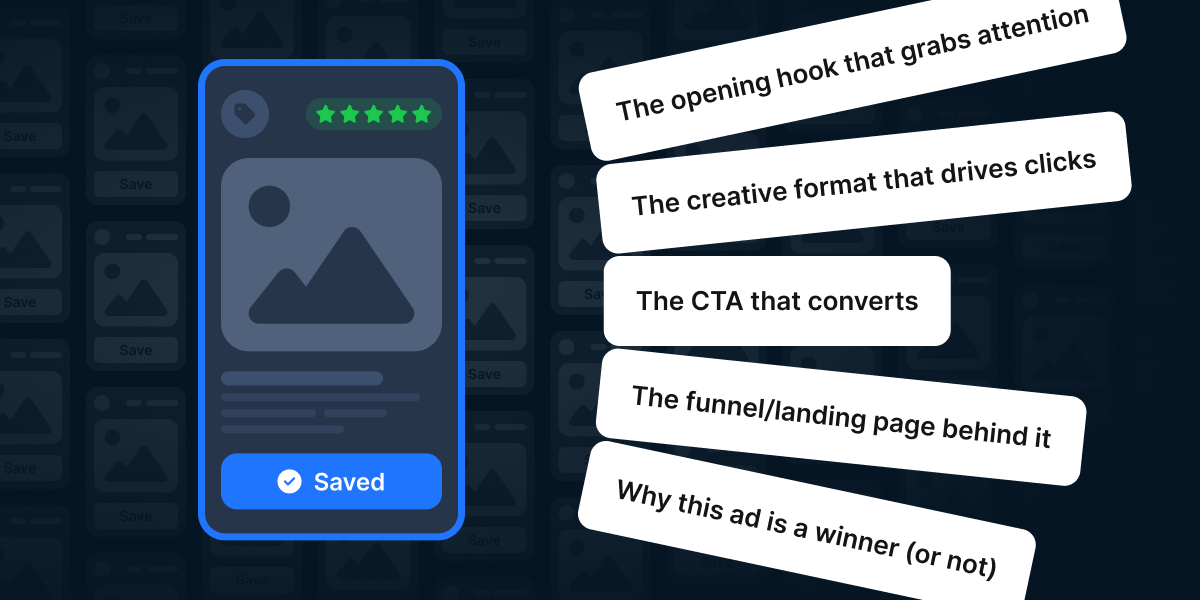
Get unlimited access to the world’s top-performing Facebook ads — and the data behind them. Gethookd gives you a library of 38+ million winning ads so you can reverse-engineer what’s working right now. Instantly see your competitors’ best creatives, hooks, and offers in one place.
Spend less time guessing and more time scaling.
Start your 14-day free trial and start creating ads that actually convert.
The Preservation Council

They don’t meet often. Only when something important is about to dissolve into algorithm soup.
The subject today: gaming history in print.
The Archivist opens first.
“If it shaped a generation, it deserves a physical record. We don’t let architecture live only on Instagram. We don’t archive cinema in TikTok clips. Gaming raised millions of adults. Screenshots aren’t history.”
The Digital Native smirks.
“It’s already preserved. Forums, YouTube essays, ROM libraries, Discord lore. Why freeze something that’s still alive? Printing it doesn’t save it. It embalms it.”
The Capital Realist leans in.
“Let’s be honest. Is this a real business or a beautifully designed therapy session for millennials with disposable income? High production costs. Narrow audience. You’re betting people will pay not for information—but for how it feels to own it.”
The Collector doesn’t blink.
“Exactly. Scarcity is the feature. Everything else is noise. Unlimited access killed reverence. When something is finite, you treat it differently. You read it slower. You keep it. You don’t swipe past it.”
The Archivist fires back.
“Printing culture isn’t nostalgia cosplay. It’s resistance. Algorithms flatten everything into trends. Physical objects restore hierarchy, what mattered, why it mattered, and where it fits.”
The Digital Native pushes harder.
“But preservation turns fandom into history. The moment you canonize something, you stop playing with it. Does making a coffee table book quietly declare the Dreamcast… over?”
The Collector shrugs.
“History doesn’t kill love. It deepens it. Museums don’t end interest in art. They legitimize it.”
The Capital Realist circles the knife.
“And taste? Where’s the line between curation and gatekeeping? Who decides which console gets a book and which stays a Reddit thread?”
Silence.
The Archivist answers last.
“Someone always decides. The internet just pretends it doesn’t.”
The Council votes.
Not on whether gaming deserves preservation.
That part is obvious.
They vote on whether culture is allowed to exist offline anymore.
The decision is… deferred.
Which, historically, means the idea probably needs to exist.
Every great startup looks dumb at first.
That’s the filter.
NTE Pro shows you ideas before they sound smart.
Before pitch decks. Before Medium thinkpieces.
If you’re allergic to obvious ideas, this is for you.
WhoFiled is early warning for startups and it’s free for a limited time.
Most people discover companies once they’re already obvious.
WhoFiled shows you movement before the narrative forms: new filings, quiet raises, unusual investor behavior.
The real power is personalization.
You tell it your thesis, companies, or investors.
WhoFiled builds a live feed that watches the market for you.
No endless searching. No hype cycles.
Just signals that matter to what you care about.
Set it once. Check it daily.
Free for now.
One More Meme