- Needs To Exist
- Posts
- Idea Of The Day - Build the VR Therapy World That Fixes Fears Before They Wreck Your Life
Idea Of The Day - Build the VR Therapy World That Fixes Fears Before They Wreck Your Life

Needs To Exist
December 11, 2025
In partnership with

GM. This is Needs to Exist (aka NTE), delivering you a startup idea that makes therapy immersive, practical, and actually usable in the real world.
NTE Pro: The $99 upgrade that turns curiosity into companies.
Go from “someday” to “shipping” with NTE Zero to One.
Your shortcut to smart - EpisodeRecap mines podcasts for gold.
Check out all the past newsletters here
Here’s what we’ve got for you today.
Daily Idea - Practice Emotional Reps
T

Fearless Therapy, Finally In VR

The One Liner
Therapy that actually works because it happens inside VR.
The 140 character tweet (or X) version
What if therapy didn’t live in a chair… but inside worlds that heal you? A VR platform for phobias, stress relief, and therapist-guided roleplay sessions.
The Longer Story Version
The Problem
Real talk: mental health tools are stuck in 1998.
Exposure therapy needs real-world environments (good luck renting a skyscraper to treat fear of heights).
Talk therapy is… talking. Zero reps, zero immersion.
Roleplay is awkward for everyone involved.
Stress-relief apps feel like putting a Band-Aid on a bullet wound.
And patients leave sessions with advice they can’t actually practice.
Therapists need a richer toolbox.
Patients need safe ways to rehearse real life.
VR is the missing bridge between knowing what to do and actually doing it.
The Solution
A VR platform built specifically for therapeutic use cases, not games, not toys, but controlled environments for real emotional work.
The magic looks like this:
You step into a calming forest for nervous-system resets.
You practice public speaking in a virtual auditorium until the fear melts.
You replay tough conversations with guided prompts.
You confront phobias (flying, spiders, heights, medical settings) with therapist-controlled difficulty sliders.
You do somatic therapy inside breath-coaching environments that react to your body.
Meanwhile, your therapist sits at a dashboard like mission control and adjusts scenes, tracks reactions, takes notes, and shapes the session moment-to-moment.
It’s therapy with reps.
It’s exposure without danger.
It’s emotional training instead of emotional guessing.
Why Now
VR headsets are finally cheap.
Insurance is warming up to digital therapeutics.
Therapy demand is breaking every system.
Research in therapeutic VR is exploding.
And Gen Z is already living half their life inside virtual worlds.
This was impossible five years ago and inevitable five years from now.
Perfect timing.
How we’d build it
Stage 1: Prove the thing is needed
• Build stress-relief worlds + meditation modules first (no clinical approvals needed)
• Add simple roleplay scenarios (public speaking, social interactions)
• Use vibe-coding tools like Lovable, Inworld, and Producer.ai to instantly prototype environments
• Host everything on Quest using Unity templates
• Partner with 3–5 therapists for weekly feedback loops
Goal: prove people feel better after 10 minutes inside the product
Stage 2: Make it a therapist’s superpower
• Add therapist dashboard with real-time scene controls
• Create low-risk phobia modules (heights, social anxiety, driving)
• Use models like GPT-5 + Helix for adaptive roleplay
• Add session history, notes, progress charts
• Integrate basic billing + scheduling
Goal: become a daily tool in therapists’ workflow
Stage 3: Go clinical, go everywhere
• Formal PTSD-safe exposure modules
• FDA pathways for specific phobias
• Insurance reimbursement partnerships
• Enterprise packages for clinics + corporate wellness
• Async VR therapy for at-home users
Goal: the default platform for immersive mental health treatment
Why it needs to exist
Because the gap between knowing what to do and being able to do it is the size of an ocean and VR finally gives us the bridge.
Therapy becomes reps, not lectures.
Healing becomes practice, not theory.
And people get better… faster.
The Future of Shopping? AI + Actual Humans.

AI has changed how consumers shop by speeding up research. But one thing hasn’t changed: shoppers still trust people more than AI.
Levanta’s new Affiliate 3.0 Consumer Report reveals a major shift in how shoppers blend AI tools with human influence. Consumers use AI to explore options, but when it comes time to buy, they still turn to creators, communities, and real experiences to validate their decisions.
The data shows:
Only 10% of shoppers buy through AI-recommended links
87% discover products through creators, blogs, or communities they trust
Human sources like reviews and creators rank higher in trust than AI recommendations
The most effective brands are combining AI discovery with authentic human influence to drive measurable conversions.
Affiliate marketing isn’t being replaced by AI, it’s being amplified by it.
The Family Group Chat Pitch Review
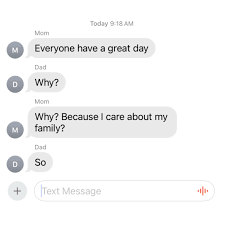
So imagine you just built a VR therapy platform. It treats phobias, helps with stress, lets therapists guide exposure sessions, and basically turns emotional growth into “reps” instead of just talking.
You’re feeling good. Proud. Ready to change the world.
And then… you make the mistake every founder eventually makes:
You tell your family.
And suddenly you’re not pitching to VCs. You’re pitching into the group chat where logic goes to die.
Here’s what happens.
You:
“Hey everyone, building something new. It’s therapy inside VR. You can work on public speaking, phobias, anxiety… all inside virtual environments. Therapists can control the session from a dashboard.”
Mom:
“Sweetie… will this melt your brain? Does Blue Cross cover melting?”
Dad:
“Why don’t people just go outside? Trees are free. I’ve been touching grass since 1974. Works fine.”
You:
“Dad, we’re not replacing nature. We’re creating controlled environments for exposure therapy. Gradual, adjustable, safe.”
Dad:
“Sounds like gaming with coping skills.”
Mom:
“Steve, don’t say coping skills like that. He’s doing something important.”
Your Conspiracy Uncle (typing aggressively):
“I’ve been saying this for years. The government wants to replace real fear with fake fear so they can monitor us. First heights and spiders, next they’ll make us ‘practice taxes’ in VR.”
You:
“No one is practicing taxes in VR, Mark.”
Uncle Mark:
“That’s what they WANT you to think.”
Your Gen Z Cousin (sending 14 emojis):
“LMAOOO finally therapy that isn’t just sitting in a chair telling a stranger you’re sad.”
Mom:
“Therapy shouldn’t need goggles. What if someone bumps into something? Should therapy require real trees??”
You:
“No, Mom, the whole point is that you don’t need real trees. You get the emotional reps without needing to drive to a forest.”
Dad:
“So you hate forests now?”
You:
“Oh my god.”
Cousin:
“Honestly this is a slay. I’d rather face my fear of flying in VR than have a stranger tell me to picture clouds.”
Mom:
“But are the clouds FDA approved?”
You:
“Clouds don’t need FDA approval.”
Mom:
“Some do.”
The Debate Heats Up
Mom wants safety.
Dad wants practicality.
Uncle Mark wants a bunker.
Your cousin just wants a therapist who doesn’t use fax machines.
And honestly? They’re all touching something real.
Should therapy require real trees?
In the real world, yes. But let’s be honest, most people aren’t practicing exposure therapy in Yosemite. VR solves accessibility instantly.
Is this just gaming with coping skills attached?
Kind of. But that’s the beauty. It’s fun + effective. Humans learn better when they’re immersed, not lectured.
Would insurance ever reimburse vibes?
Not vibes but insurers already reimburse digital therapeutics. VR anxiety treatments are literally being studied right now. We’re closer than people think.
Here’s the lesson:
If your idea can survive your family’s group chat, it’ll absolutely survive the market.
Because when the dust settles and after Dad says “just walk it off,” after Mom Googles “are virtual spiders dangerous,” after Uncle Mark warns you about cyber-frogs even they can see it:
People don’t just need therapy.
They need practice.
Reps.
Safe places to work through the hard stuff.
VR is the first medium that actually lets them do that.
And honestly?
Even your family will get it…
eventually.
AI-native CRM

“When I first opened Attio, I instantly got the feeling this was the next generation of CRM.”
— Margaret Shen, Head of GTM at Modal
Attio is the AI-native CRM for modern teams. With automatic enrichment, call intelligence, AI agents, flexible workflows and more, Attio works for any business and only takes minutes to set up.
Join industry leaders like Granola, Taskrabbit, Flatfile and more.
The “Illicit Cargo” Shipment Manifest
A brown crate lands on your doorstep at 6:02 a.m.
No return address.
Just a single label:
Restricted Cargo: OPEN ONLY IF YOU BUILD THINGS.
You slice the tape.
Inside: a manifest stamped “CONFISCATED MATERIALS - DO NOT RELEASE.”
Three items peek out of the wrapping:
• Item 7A: A browser plugin that predicts which habits your future self will regret
• Item 12C: A tool that turns office gossip into organizational health metrics
• Item 44E: A camera that automatically hides your clutter before video calls
These aren’t toys.
They’re blueprints someone misplaced between “classified” and “oops.”
And here’s the twist:
Those three are just the leak.
The full shipment, nearly 6,000 forbidden ideas is locked inside NTE Pro, the vault for people who look at rules and think, “cute.”
Good news: you’re holding the crate.
Bad news: once you look inside, you will start building something.
Everyone does.
One More Meme
