- Needs To Exist
- Posts
- Idea Of The Day - Build the self-care brand for men who treat recovery like oil changes for machines
Idea Of The Day - Build the self-care brand for men who treat recovery like oil changes for machines

Needs To Exist
December 29, 2025
In partnership with

GM. This is Needs to Exist (aka NTE), delivering you a startup idea that reframes men’s self-care as performance, recovery, and longevity.
NTE Pro: 6,500 startup ideas that make you think, “how does this not exist yet?”
NTE Zero to One: turn one of 6,500 ideas into something real, fast.
EpisodeRecap: turn long podcasts into startup ideas you can actually use.
WhoFiled: see who’s raising, before everyone else notices.
Check out all the past newsletters here
Here’s what we’ve got for you today.
Daily Idea - Maintenance, Not Pampering
Locker Room Argument

Maintenance for the men who grind
The One Liner
Maintenance for men who actually work hard.
The 140 character tweet (or X) version
Self-care for men, reframed as recovery, performance, and longevity.
The Longer Story Version
The Problem
Most men are exhausted. Physically. Mentally. Emotionally.
But here’s the weird part: no one taught them how to recover.
Self-care is still marketed like it’s either
a) spa music and scented candles or
b) beard oil and “alpha” branding.
Everything in between is missing.
Men are told to grind, lift, provide, endure.
Then quietly deal with stress, inflammation, poor sleep, and burnout on their own.
Relaxation feels indulgent.
Pampering feels unmanly.
Mental health advice feels abstract.
So men do what they know: they push through it.
There’s a massive gap between what men need and what culture gives them permission to do.
The Solution
Reframe self-care as maintenance.
Not pampering.
Not vibes.
Performance.
A men-first self-care brand that treats the body like a machine you plan to keep running for decades.
Pedicures positioned as foot health and recovery, not luxury
Bath bombs reframed as muscle reset and nervous system cooldown
CBD products for sleep, inflammation, and calm, with credibility and transparency
Clean, masculine design that feels disciplined, not try-hard
Education baked in: when to use this, how often, why it matters
The tone isn’t “treat yourself.”
It’s “service the machine.”
Self-care becomes something men can feel proud of doing because it improves how they show up everywhere else.
How We’d Build It
Phase 1: Prove the Reframe
Start narrow. One hero product and one core message.
A single recovery-focused product (sleep, feet, or stress)
Direct-to-consumer landing page built fast with a vibe-coding tool
Short-form content explaining the why, not the aesthetic
Manual fulfillment, low SKUs, tight feedback loop
The goal here isn’t scale.
It’s validation: do men resonate with the framing?
Phase 2: Build Trust + Habit
Once the message lands, expand the system.
Add 2–3 complementary products that reinforce the routine
Educational content that shows usage, timing, and benefits
Light community layer: recovery challenges, routines, progress
Creator partnerships with athletes, operators, and builders not wellness influencers
Now you’re not selling products.
You’re teaching a way of taking care of yourself.
Phase 3: Scale the Brand
Only after the habit exists do you scale.
Broader product lines across recovery and longevity
Physical experiences or pop-ups that feel utilitarian, not spa-like
Subscriptions framed as maintenance schedules
Paid media once the narrative is clear and repeatable
At this point, the brand doesn’t need to convince.
It feels obvious.
Why It Needs to Exist
Men are already spending money on supplements, gyms, gear, and productivity tools.
What’s missing is recovery that feels socially acceptable, practical, and worth prioritizing.
This works because it doesn’t ask men to change who they are.
It meets them where they already are tired, driven, and overdue for maintenance.
Someone is going to normalize this category.
When they do, it’ll feel inevitable.
Introducing the first AI-native CRM

Connect your email, and you’ll instantly get a CRM with enriched customer insights and a platform that grows with your business.
With AI at the core, Attio lets you:
Prospect and route leads with research agents
Get real-time insights during customer calls
Build powerful automations for your complex workflows
Join industry leaders like Granola, Taskrabbit, Flatfile and more.
The Locker Room Argument

Four guys sit on a bench. Towels over shoulders. Phones face down. Everyone’s pretending they’re fine.
The former college athlete breaks first.
“Recovery is the whole game now. Sleep, mobility, cold, heat. You don’t get stronger lifting. You get stronger recovering.”
The blue-collar dad laughs.
“Or… you could just work. My dad didn’t need bath bombs to put food on the table.”
The startup founder ties his shoes slowly. Too slowly.
“I don’t need self-care. I just need a break. There’s a difference.”
No one buys it.
The physical therapist hasn’t said a word yet. He’s watching ankles. Knees. The way everyone stands.
The athlete keeps going.
“Look, every pro team in the world spends millions on recovery. But regular guys are supposed to pretend pain is character-building?”
The dad fires back.
“Feels like pampering dressed up in new language. Discipline used to mean pushing through.”
The founder jumps in, defensive.
“Yeah but pushing through what? I’m not tired because I’m lazy. I’m tired because I never turn off. There’s no manual for that.”
Silence.
The therapist finally speaks.
“Most of my patients aren’t injured. They’re under-maintained.”
Everyone looks at him.
He continues.
“Feet never get looked at. Sleep is an afterthought. Stress lives in the body and nobody teaches men what to do with it. So they lift harder. Drink more coffee. Call it grit.”
The dad squints.
“So what, we’re all supposed to start getting pedicures?”
The therapist smiles.
“If you reframed it as foot health and recovery, half this room already needs one.”
The athlete nods.
“This isn’t about candles. It’s about performance.”
The founder hesitates.
“But where’s the line? At what point does maintenance turn into avoidance? Are we fixing the machine… or hiding from the work?”
That lands.
The therapist doesn’t flinch.
“A car that never gets serviced doesn’t become tougher. It breaks. Same with people.”
Another pause.
The dad exhales.
“I don’t want spa music. I just want my back to stop hurting.”
The athlete says, quieter now,
“And I don’t want to feel broken at forty.”
The founder stands up.
“If this existed, I’d buy it. I just wouldn’t tell anyone.”
The therapist laughs.
“That’s the real problem.”
Locker rooms aren’t about optics. They’re where men stop performing and start telling the truth.
And the truth is this:
Men don’t reject self-care because they don’t need it.
They reject it because no one taught them how to do it without feeling ridiculous.
Call it recovery.
Call it maintenance.
Call it longevity.
Just don’t call it pampering.
If You’d Seen This Early…
You would’ve rolled your eyes.
• Turning podcast rants into investable datasets
• Paying homeowners today for listings years from now
• Letting creators build empires without posting anywhere
Now they feel obvious.
That’s the pattern.
NTE Pro is where ideas live before they’re obvious, when they still sound dumb, niche, or unnecessary.
If you like seeing things early, not explained later, NTE Pro is for you.
Why AI Isn’t Replacing Affiliate Marketing After All

“AI will make affiliate marketing irrelevant.”
Our research shows the opposite.
Shoppers use AI to explore options, but they trust creators, communities, and reviews before buying. With less than 10 percent clicking AI links, affiliate content now shapes both conversions and AI recommendations.
EpisodeRecap: The Environmental Killers That Doctors Miss
On a recent episode of the Modern Wisdom Podcast, Dr. Gabrielle Lyon makes a point that lands a little too hard:
Most people aren’t unhealthy because they eat badly or skip workouts.
They’re unhealthy because they’re living inside environments their bodies can’t tolerate.
Mold. VOCs. Parasites. Heavy metals. Microplastics.
Invisible exposures stacking quietly while labs come back “perfect.”
Medicine is built for clean problems.
Heart attack? There’s a flowchart.
Infection? There’s a protocol.
But complex illness, the kind that makes you tired, foggy, inflamed, moody lives in the gaps. And that’s where people get told it’s aging… or stress… or in their head.
Problem
Medicine is built for simple problems. Protocols. Thresholds. Diagnoses.
But environmental illness is compound, contextual, and invisible. People bounce between doctors, get told they’re fine, and slowly accept a lower standard of energy, mood, and cognition.
There’s no system responsible for connecting symptoms to where and how someone lives.
Solution
A missing diagnostic layer before treatment.
A platform that maps environmental + biological risk, not disease.
Think credit scores, but for exposure.
Users input:
Living environment (building age, humidity, travel, workspaces)
Symptoms and patterns (fatigue, brain fog, gut issues)
Behaviors (pets, sauna, diet, stress load)
Optional labs or wearables
The output isn’t certainty.
It’s prioritization.
“Based on your environment and symptom patterns, these 2–3 exposure clusters are most likely contributing. Remove these first.”
Not prescriptions.
Decision clarity
Why now
Environmental exposures are increasing faster than diagnostics
Housing, air quality, travel, and sensor data now exist
AI can reason across messy, incomplete signals
Patients are losing trust in “labs look fine” medicine
The system broke before the body did.
Example
A user feels exhausted and foggy. Labs are pristine.
The platform flags high mold risk at home, gut permeability signals, and symptom spikes after hotel stays.
Instead of supplements or hormones, the first move is environmental removal.
The insight:
Most people don’t need more discipline.
They need better questions asked earlier.
Found while mining podcast patterns via EpisodeRecap.
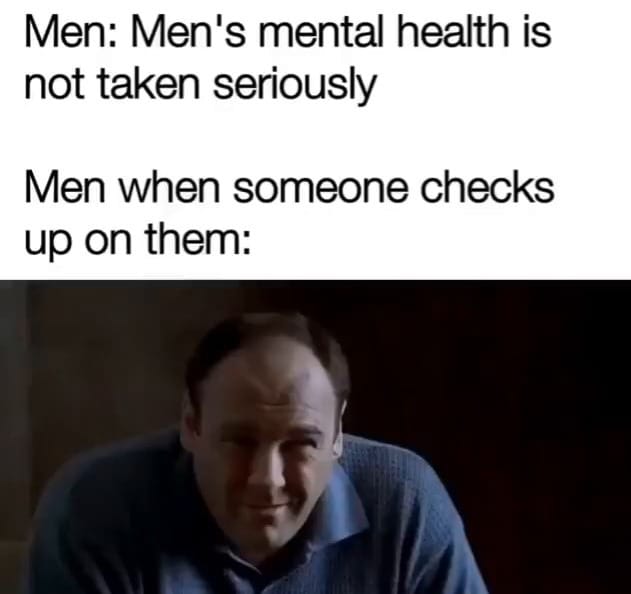
One More Meme
