- Needs To Exist
- Posts
- Idea Of The Day - Build the Fantasy League for Reality TV Because Your Group Chat Already Plays
Idea Of The Day - Build the Fantasy League for Reality TV Because Your Group Chat Already Plays

Needs To Exist
March 09, 2026
In partnership with

GM. This is Needs to Exist (aka NTE), delivering you a startup idea that turns reality TV into a game.
NTE Pro: 6,500+ startup ideas waiting for someone crazy enough to build them.
WhoFiled: See new companies before everyone else does.
Check out all the past newsletters here
Here’s what we’ve got for you today.
Daily Idea - Reality TV Fantasy
Media Executive Greenlight Meeting
Fantasy Leagues For Reality TV

The One Liner
Turn reality TV into a fantasy sport.
The 140 character tweet (or X) version
Fantasy leagues for reality TV. Draft contestants, earn points for drama, wins, and survival. Finally a way to compete while watching your favorite shows.
The Longer Story Version
The Problem
Reality TV fans don’t just watch shows.
They analyze them.
People predict who will get eliminated on Survivor.
They debate alliances on Big Brother.
They guess who will get the final rose on The Bachelor.
Entire Reddit threads break down episodes like game film. TikTok creators recap strategy. Podcasts dissect every move.
And every episode triggers the same thing:
Group chats explode with predictions.
“She’s definitely getting eliminated.”
“He’s playing the best social game.”
“There’s no way that alliance survives.”
Millions of fans are already playing the game in their heads.
But there’s nowhere to actually keep score.
Fantasy sports transformed watching football. Suddenly every play mattered because it affected your roster.
Reality TV has the exact same ingredients: characters, alliances, eliminations, drama, and weekly episodes.
But the experience today is fragmented across memes, group chats, and debates. There’s no structured way to turn those predictions into competition with friends.
The Solution
Imagine fantasy football… but for reality TV.
You create a league with friends before a season starts.
Then you draft contestants.
Each contestant becomes part of your team.
As episodes air, your players earn points based on what happens in the show.
+10 for winning a challenge
+5 for surviving elimination
+3 for causing drama
+1 for every confessional
Every tribal council, rose ceremony, or villa recoupling suddenly matters.
Your group chat becomes a scoreboard.
The app automatically tracks outcomes using publicly available episode data and updates standings after each episode.
Now watching isn’t passive anymore.
It’s competitive.
The fun part is this already matches how fans behave. They treat reality shows like strategy games, analyzing alliances, predicting eliminations, and debating moves.
This simply formalizes what fans are already doing.
How We’d Build It
Stage 1 — MVP (prove people actually want this)
Product
• Start with 2–3 shows with massive fan engagement (Survivor, Love is Blind, Love Island)
• Simple private leagues with friends
• Draft contestants before the season premiere
• Points update after each episode
Tools
• Lovable or Replit Agents to vibe-code the first version fast
• Supabase for the database and authentication
• Airtable or Baserow to store scoring rules and contestant data
• Apify to scrape episode summaries and recaps automatically
• GPT models to convert episode summaries into structured scoring events
GTM
• Launch inside existing fan communities (Reddit, Discord, TikTok)
• Partner with recap podcasters and reality TV creators
• Create viral “league results” screenshots people share after episodes
Goal of this stage: prove people actually create leagues and invite friends.
Stage 2 — Engagement Engine
Product
• Live scoring during episodes
• Public leagues around popular shows
• Weekly predictions and bonus points
• Mobile-first experience
Tools
• Playwright or Scrapegraph for more reliable episode data extraction
• LangChain pipelines to convert recaps, transcripts, and tweets into scoring signals
• Trigger.dev or Temporal for event-driven scoring updates
GTM
• Integrate with recap newsletters and podcasts
• Creator leagues where fans compete with influencers
• Referral rewards for inviting league members
Goal of this stage: make watching the show without the app feel boring.
Stage 3 — Platform
Product
• Dozens of shows across networks and streaming platforms
• Celebrity leagues and public competitions
• Live prediction markets around episodes
• APIs for media companies and recap sites
Tools
• Event ingestion pipelines using tools like Meltwater, GDELT, and social listening APIs
• Data pipelines to convert social buzz and transcripts into gameplay events
GTM
• Partnerships with media companies, recap podcasts, and streaming platforms
• Sponsored leagues around new show launches
• Brand integrations tied to episodes and challenges
Why It Needs to Exist
Reality TV is already interactive.
Fans analyze strategy.
They predict outcomes.
They argue about gameplay.
But all that energy disappears into group chats.
Fantasy sports proved something powerful: if people can compete while watching, engagement explodes.
Reality TV has all the same ingredients — characters, strategy, eliminations, weekly episodes but nobody has turned it into a game.
When that happens, every rose ceremony, tribal council, or villa recoupling suddenly feels like the fourth quarter.
And once fans experience that, they won’t want to watch any other way.
This Could Be the ‘Starbucks of Flowers’

Starbucks brought the premium coffee experience to every street corner and grew to a $110B market cap. The Bouqs Co. is using the same playbook, but for the floral industry.
While they are already a dominant force in e-commerce, the company is now launching 70+ retail stores nationwide. This expansion is designed to capture the $18 billion U.S. flower market through a first-of-its-kind national chain of floral studios.
In counties where Bouqs stores have already opened, the brand has seen a staggering 100% year-over-year growth. That’s because each retail location acts as a profit-driving billboard and a high-efficiency fulfillment center. These shops also unlock high-margin event services and same-day delivery that traditional online-only competitors simply cannot match.
With individual store revenues reaching up to $1.2 million annually, the "Bouqs Flywheel" is in full effect. The company is already EBITDA positive and inviting the public to join their national scale-up.
Now is your opportunity to join Bouqs and invest in this floral retail revolution.
This is a paid advertisement for The Bouq’s Regulation CF offering. Please read the offering circular at https://invest.bouqs.com/
The Media Executive Greenlight Meeting

Premise
A group of streaming executives gather to decide whether partnering with a fantasy reality TV platform is genius… or a disaster waiting to happen.
Participants
• A Netflix unscripted programming executive
• A data analyst obsessed with engagement
• A marketing lead who sees viral potential everywhere
• A cautious legal executive
Debate
The analyst kicks it off.
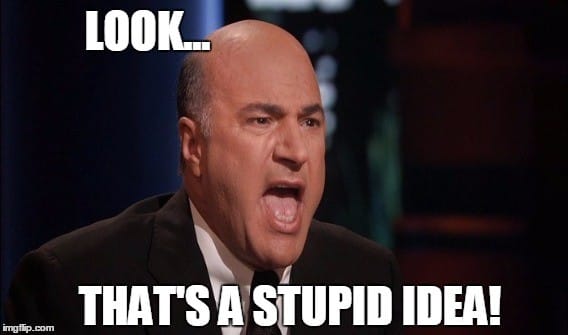
“Look, fantasy football turned watching sports into a weekly ritual. This could do the same for reality TV. Instead of casually watching Survivor, fans now need to watch every episode because their fantasy team depends on it.”
The marketing lead nods.
“Exactly. Imagine people drafting contestants before the season starts. Group chats explode. Twitter arguments. TikTok breakdowns. Suddenly every tribal council becomes the Super Bowl.”
The programming exec leans back.
“Honestly… I love it. Anything that makes people care more about contestants and watch live instead of skipping episodes is good for us.”
Then legal clears their throat.
“Or we just turned our shows into gambling-adjacent competitions involving real people.”
Silence.
They continue.
“What happens when fans start rooting for contestants to cause drama because it scores fantasy points? Do we want audiences incentivized to reward toxic behavior?”
The analyst pushes back.
“Fans already do that. We didn’t invent reality TV chaos.”
Marketing jumps in again.
“Also, this could drive insane engagement. Official leagues. Creator leagues. Maybe even branded leagues around new seasons.”
Programming nods.
“Fantasy sports didn’t hurt the NFL. It made people obsessed.”
Legal sighs.
“Sure. But the NFL players signed up for that.”
The room pauses.
Finally the exec shrugs.
“Okay… but if someone builds this anyway, do we want to partner with them or watch someone else own the audience?”
Most people wait for the “perfect idea.”
Builders know that’s not how it works. You stumble into it. You remix it. You steal half of it and make it better.
NTE Pro is basically a giant playground of startup ideas, 6,500+ of them — across AI, marketplaces, weird internet businesses, and things that absolutely should exist but don’t yet.
Some ideas are small wins. Some are billion-dollar category creators. The fun part is figuring out which ones are which.
If you like thinking about what to build next, NTE Pro will keep you busy for a while.
The internet is full of early signals.
A startup files to raise money. A product appears on Product Hunt. A founder casually mentions something on Reddit.
Most people miss these moments because they’re scattered everywhere.
WhoFiled pulls them together. It watches filings, launches, code activity, and communities, then explains what might matter based on what you care about.
One company. One thesis. One market. That’s enough to start.
Suddenly you’re seeing companies right when they begin moving. Not when they trend. Not when TechCrunch writes about them. Early enough to act.
One More Meme
